
Cataract Screenings
Early detection makes all the difference when it comes to protecting your vision from cataracts. At Desert Vision Optometry, Dr. George Saunders provides comprehensive cataract screenings designed to identify potential issues before they significantly impact your daily life. Through advanced diagnostic techniques and personalized care, we help you maintain clear vision and make informed decisions about your eye health for years to come.
Understanding Cataract Screenings
Cataract screenings are specialized eye exams that detect early signs of lens clouding. During these evaluations, your eye care professional examines the natural lens of your eye for any opacity or cloudiness that could indicate cataract formation. These screenings involve multiple tests and assessments to determine the presence, location, and severity of any cataracts.
Regular screenings become more vital as you age, since cataracts develop gradually and often without noticeable symptoms in their early stages. The screening process allows your optometrist to monitor changes in your lens clarity over time and recommend appropriate treatment options when necessary. Early detection through routine screenings can help preserve your vision quality and prevent cataracts from progressing to stages that significantly interfere with your daily activities.
Benefits of Cataract Screenings
Our Cataract Screening Process
Comprehensive Vision Assessment
Your cataract screening begins with detailed measurements of your current vision capabilities and any changes you’ve experienced recently. Dr. George Saunders evaluates your visual acuity at various distances and assesses how well you see in different lighting conditions. This thorough assessment establishes your baseline vision status and identifies areas where cataracts might be affecting your sight.
Personalized Risk Evaluation
We conduct an in-depth review of your medical history, lifestyle factors, and family background to determine your individual cataract risk profile. Your age, medications, health conditions, and previous eye injuries all contribute to your likelihood of developing cataracts. This personalized evaluation enables us to create a monitoring schedule tailored to your specific needs and risk factors.
Advanced Diagnostic Testing
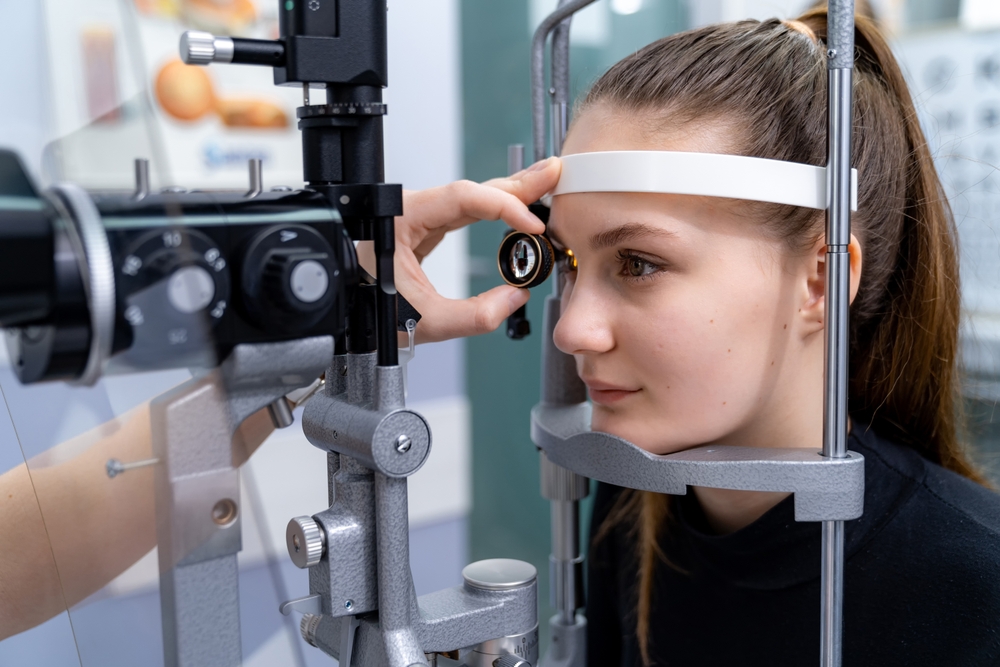
The screening process involves multiple specialized tests using modern equipment to examine your lens clarity and overall eye health thoroughly. Slit-lamp microscopy allows detailed examination of your lens structure, while dilated pupil examination provides access to areas typically hidden from view. These diagnostic tools reveal early cataract formation that might not yet be affecting your daily vision.
Results Review and Education
Following your cataract screening, we provide clear explanations of your test results and their implications for your current and future vision health. You receive detailed information about any cataracts detected, including their location, type, and current impact on your sight. This educational discussion ensures you understand your condition and feel confident about the recommended next steps.
Ongoing Monitoring Strategy
We establish a customized follow-up schedule based on your screening results, ensuring appropriate monitoring of any cataract progression over time. Your individual monitoring plan may include annual screenings for stable conditions or more frequent visits if early cataracts require closer observation. This strategic approach helps us catch changes early and recommend treatment at the optimal time for your lifestyle and vision needs.

Why Choose Us
Desert Vision Optometry combines advanced diagnostic technology with Dr. George Saunders’ extensive experience in detecting and managing cataracts. Our comprehensive screening approach goes beyond basic vision tests to provide detailed assessments of your lens health and overall eye condition. We take time to explain your results clearly and help you understand your options for maintaining optimal vision.
Our practice prioritizes patient education and comfort throughout the screening process, ensuring you feel informed and confident about your eye health. We understand that concerns about vision changes can be stressful, so we create a supportive environment where you can ask questions and receive honest, helpful answers. This patient-centered approach enables you to make informed decisions tailored to your individual vision needs and lifestyle.
Secure Your Vision Future with Expert Screening!
Protecting your vision begins with regular cataract screenings, which can detect problems before they impact your daily life. Dr. George Saunders and the team at Desert Vision Optometry are committed to providing thorough, compassionate care that helps you maintain clear sight for years to come. Don’t wait for vision problems to develop – take proactive steps to safeguard your eye health now.
Call us at 760-327-8528 today to schedule your comprehensive cataract screening and take control of your vision health. Follow us on Facebook for helpful eye health tips and updates from our practice. Your clear vision is our priority, and we’re here to support you every step of the way.
FAQs
Do you need annual eye exams after cataract surgery?
Yes, you should continue having annual eye exams even after successful cataract surgery to monitor your overall eye health. These examinations help detect other age-related eye conditions that can develop independently of cataracts, such as glaucoma or macular degeneration. Regular post-surgery monitoring also ensures your artificial lens is functioning properly and your vision remains stable.
How to check for cataracts?
Cataracts are typically detected through comprehensive eye examinations that include visual acuity tests, slit-lamp microscopy, and dilated pupil examinations. Your eye care professional uses specialized equipment to examine the lens of your eye for cloudiness, opacity, or other signs of cataract formation. While you might notice symptoms like blurred vision or increased glare sensitivity, only a professional examination can definitively diagnose cataracts.
Are eyes dilated for cataract exams?
Yes, pupil dilation is typically necessary during cataract examinations to allow your eye care provider to see the entire lens clearly. The dilation temporarily enlarges your pupils, providing better access to examine the back portion of your lens and other eye structures. This process causes temporary light sensitivity and blurred near vision for several hours after your appointment.
How often do you have to get an eye exam for early-stage cataracts?
If you have early-stage cataracts, you should typically have eye examinations every six to twelve months to monitor progression. The exact frequency depends on how quickly your cataracts are developing and whether they’re affecting your vision or daily activities. Your eye care provider will recommend the appropriate monitoring schedule based on your individual situation and cataract severity.
What age are you supposed to check for cataracts?
Most eye care professionals recommend starting regular cataract screenings around age 60, although individuals with risk factors may require earlier monitoring. If you have diabetes, take certain medications, or have a family history of cataracts, screenings might start in your 40s or 50s. Your eye care provider can determine the appropriate age to begin cataract monitoring based on your individual risk factors and overall eye health.